
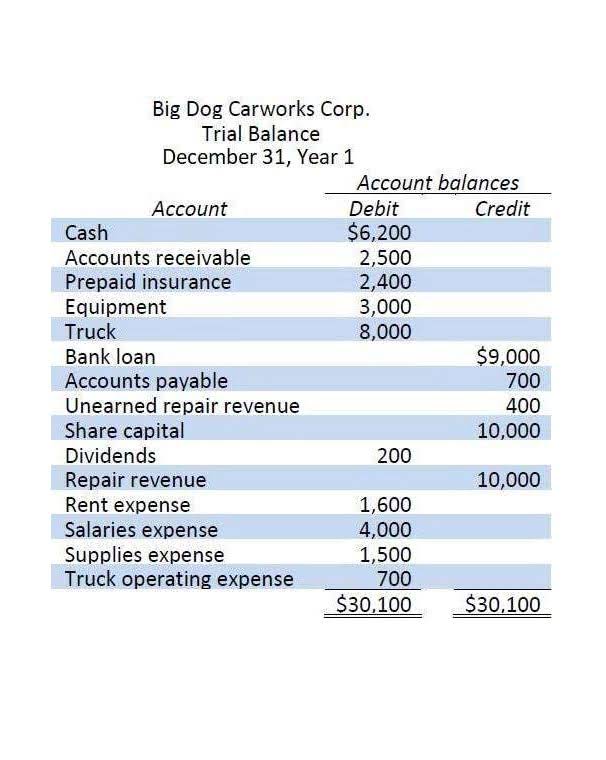
Accurate accounts payable reconciliation is essential for managing your cash flow and maintaining good relationships with your vendors. Let’s explore some common areas where general ledger reconciliation is crucial for maintaining accurate financial records. Understanding these examples will give you a clearer picture of how reconciliation works in practice.

Gather and Prepare Data
- Fixed asset reconciliation, on the other hand, ties your property, equipment, furniture, and depreciation balances to the fixed assets subledger.
- This clear financial picture empowers you to confidently plan budgets, allocate resources, and develop strategies for sustainable growth.
- This guide will demystify the process of reconciling general ledger accounts, offering a clear and concise roadmap for businesses of all sizes.
- This guide provides examples of maintaining proper records during reconciliation.
- In conclusion, accurate general ledger reconciliation is essential for good financial management.
- To avoid the consequences of these mistakes, don’t forget to review all the entries carefully so all the financial activity is accurately reflected.
The software matches transactions, identifies discrepancies, and generates alerts, streamlining the process for faster and more accurate reconciliations. It’s time for CFOs and accounting teams to embrace autonomous accounting, a cutting-edge solution designed to streamline financial processes and eliminate manual tasks. With advanced AI and machine learning, autonomous accounting automates data entry, reconciliations, and anomaly management, allowing teams to focus on high-value tasks. This technology ensures accuracy, reduces errors, and enhances decision-making, giving businesses the power to optimize their accounting operations and drive financial success. • Clearly call out discrepancies on the balance sheet by documenting variances in account balances.
Intercompany reconciliation
- You’ll have real-time access to dashboards and detailed reports, giving you a clear view of the reconciliation process.
- With its user-friendly interface and plug-and-play functionality, Bunker simplifies complex financial analysis, empowering you to make data-driven decisions confidently.
- For example, setting parameters for acceptable numerical ranges can prevent unusually large or small entries from slipping through.
- Complex transactions—those involving multiple accounts or requiring extensive documentation—can make reconciliation a real headache.
- This makes it simpler to demonstrate compliance during audits, ultimately reducing the risk of regulatory penalties and fostering trust with stakeholders.
- Instead, you can focus on strategic tasks and high-value activities that drive your business forward.
- Regular reconciliations deter errors and fraud, as each transaction must pass through checks and balances before being finalized.
If corrections are needed, prepare journal entries to adjust the account balances. For instance, if a transaction was recorded twice, an adjusting entry will remove one of the entries. Post these adjustments to ensure the general ledger reflects accurate balances. Having accurate and comprehensive records helps in cross-verifying transactions and balances. Without these documents, reconciliation becomes guesswork, leading to potential errors. Spreadsheets allow you to compare records and your general ledger, ensuring data is aligned and error-free.
Clear Identification of Reconciling Items

This includes bank statements, workpapers, or downloaded reports you’ll use to substantiate the recon. Ensure you have access to any subledger information that corresponds to your general ledger accounts. Begin by pinpointing the specific accounts that need reconciliation – prioritize accounts with high transaction volumes or those crucial for financial statements.
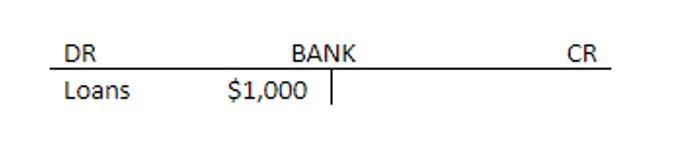
General ledger reconciliation template + tips on how to use it
- This enables you to optimize your spending and allocate resources more effectively.
- By analyzing variances between budgeted and actual expenses in-depth, Bunker helps you identify discrepancies and take timely corrective actions.
- Providing clear and concise reconciliations supports effective governance and oversight.
- Discover the top 5 best practices for successful accounting talent offshoring.
Using the bank account example, assume the company paid bills totaling $12,547.22 on the last day of the month that didn’t clear the bank until the following month. The company’s book balance is $12,547.22 lower than the bank statement balance because the bank won’t know that these bills were paid Law Firm Accounts Receivable Management until the following month. When reconciling the account, the reconciler should itemize the $12,547.22 by vendor and purpose and note these as reconciling items due to timing.
Regular inventory reconciliation ensures your financial statements accurately reflect your inventory levels and helps you make informed decisions about purchasing and production. Streamlining your inventory reconciliation process can improve your overall financial operations. To make sure the general ledger is online bookkeeping reconciled, it is necessary to document and classify all transactions properly. This involves looking at bank statements, invoices, receipts, and other documents to make sure they match the entries in the ledger. If there are any differences or mistakes, they must be identified and fixed immediately to keep accurate financial records.
This might involve detailed transaction descriptions, clear audit trails, and designated personnel general ledger reconciliation for oversight. For especially complex scenarios, expert advice can ensure compliance and accuracy. Manual reconciliation processes are time-consuming and prone to human error.